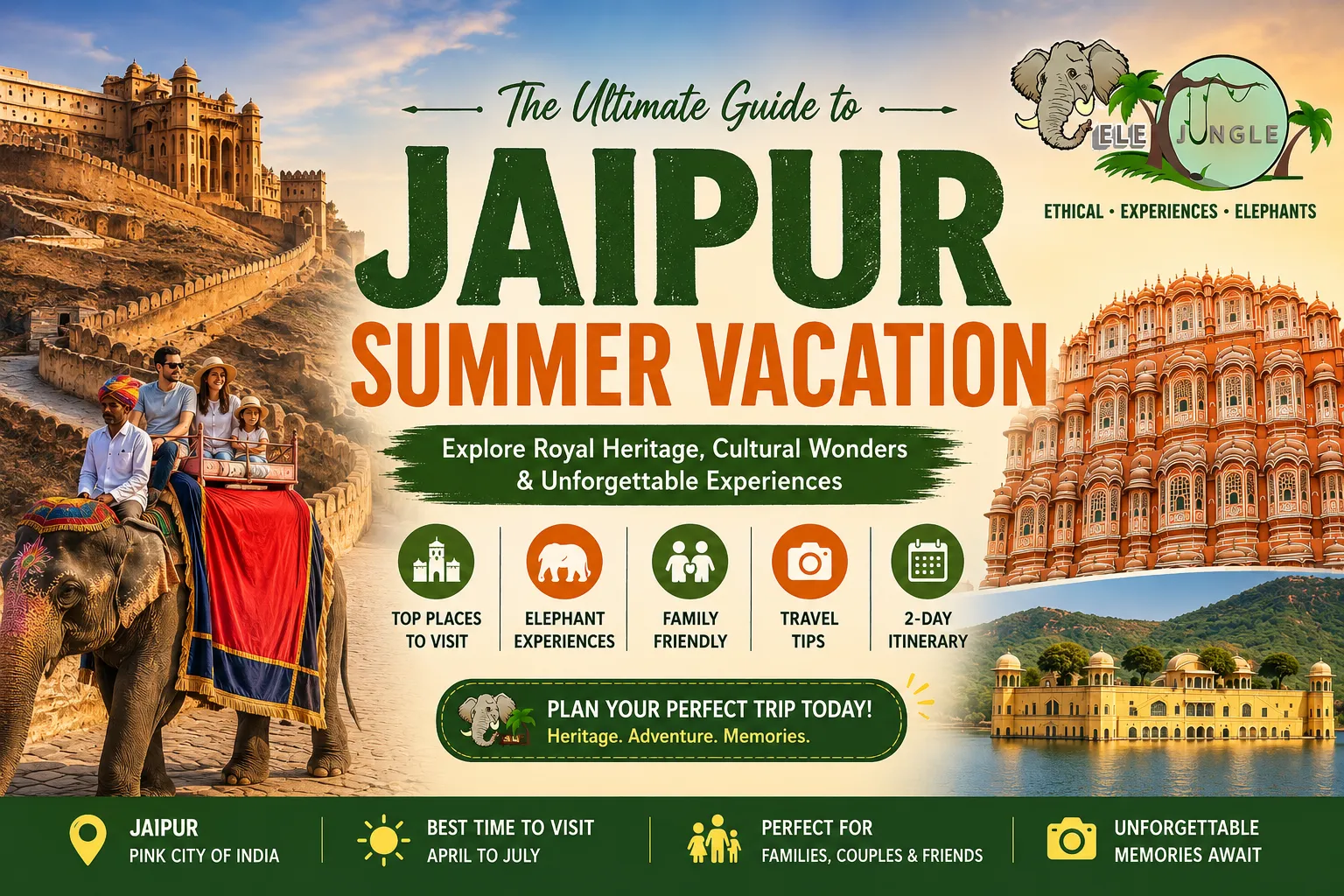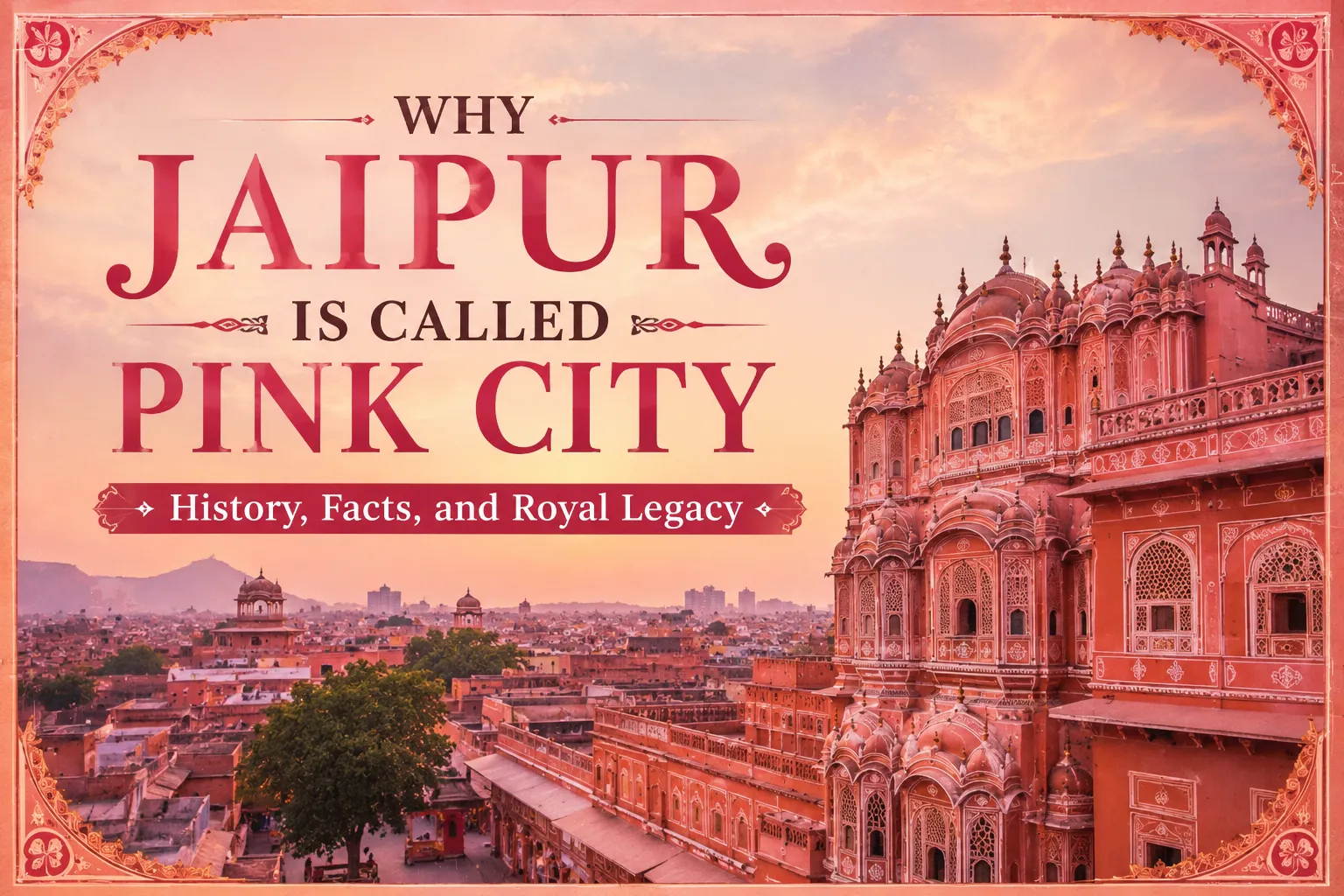
Jaipur is called the Pink City of India because Maharaja Sawai Ram Singh II ordered the entire city to be painted terracotta pink in 1876 to welcome Prince Albert Edward, the Prince of Wales. Pink symbolized hospitality and warmth, and the tradition continues today, making Jaipur one of the most recognizable heritage cities in the world.
Jaipur, the vibrant capital of Rajasthan, is famous for its royal heritage, magnificent forts, colorful bazaars, and distinctive pink-colored architecture. But have you ever wondered why Jaipur is called Pink City? The answer lies in a fascinating chapter of history that dates back to the reign of Maharaja Sawai Ram Singh II, who transformed the city to welcome Prince Albert Edward, the Prince of Wales, during his visit to India in 1876.
Today, Jaipur is globally recognized as the Pink City of India, attracting millions of travelers interested in history, culture, and architecture. From the iconic Hawa Mahal and the grand City Palace to the historic Walled City of Jaipur, every corner reflects the city's royal legacy. Its exceptional urban planning and cultural significance also earned Jaipur the prestigious status of a UNESCO World Heritage City, making it one of the most celebrated destinations in Rajasthan tourism.
In this guide, we'll uncover the complete history, interesting facts, and royal legacy behind Jaipur's famous pink color, while exploring how a single decision transformed the city into one of India's most recognizable heritage destinations
Quick Facts About Jaipur Pink City
| Fact | Details |
|---|---|
| Nickname | Pink City |
| State | Rajasthan |
| Founded By | Maharaja Sawai Jai Singh II |
| Founded In | 1727 |
| Pink Color Introduced | 1876 |
| Reason for Pink Color | Welcome Prince Albert Edward |
| UNESCO Status | World Heritage City (2019) |
| Famous For | Pink Architecture, Forts, Palaces, Culture |
Plan Your Jaipur Pink City Experience Today
📞 Book Your Jaipur Tour +91-958-713-1001
Why Jaipur Is Called Pink City: The Complete Story Behind Rajasthan's Most Famous City
Whenever travelers plan a trip to Rajasthan, one question often comes to mind: why Jaipur is called Pink City?
Jaipur is not only the capital of Rajasthan but also one of India's most historically significant and visually stunning destinations. With magnificent palaces, bustling bazaars, ancient observatories, and grand forts, the city offers a unique blend of history and culture.
However, what truly sets Jaipur apart is its iconic pink-colored architecture. This distinctive appearance has earned it the title of Jaipur Pink City, a name recognized by travelers across the globe.
The story behind this nickname is deeply connected to royal hospitality, visionary rulers, and a fascinating chapter in Indian history.
Read More: Best Hotels Near Elephant Village Jaipur
The Royal History Behind Why Jaipur Is Called Pink City
To understand why is Jaipur called Pink City, we need to travel back to the year 1876.
At that time, Jaipur was ruled by Maharaja Sawai Ram Singh II, a progressive ruler known for modernization and public development. During his reign, news arrived that Prince Albert Edward, the Prince of Wales and future King Edward VII of Britain, would be visiting Jaipur as part of his royal tour of India.
The Maharaja wanted Jaipur to make an unforgettable impression on the royal guest.
After discussions with his administration and architects, he ordered the entire city to be painted in a terracotta pink shade. This color was chosen because it represented hospitality, warmth, friendship, and welcome in Indian culture.
Thousands of workers participated in the transformation. Markets, gateways, palaces, and public buildings were painted in a uniform pink tone before the prince's arrival.
The result was extraordinary.
The prince was impressed by Jaipur's beauty, and visitors began referring to it as the Pink City of India. Over time, the nickname became permanently associated with Jaipur.
This historic event is the primary reason why Jaipur is called the Pink City today.
Book Jaipur Experiences in Advance – Limited Slots Available
Enjoy elephant activity and photography movement with Elejungle.
💬 WhatsApp Now ✉ Enquire NowWhy Was Pink Color Chosen for Jaipur?
Many people know why Jaipur is called Pink City of India, but fewer understand why pink was selected.
The color pink carries deep cultural significance in India and was considered the perfect choice for welcoming distinguished guests.
Pink Symbolizes Hospitality
In Indian traditions, pink is associated with warmth and respect toward visitors.
Pink Represents Celebration
The color is often used during festivals, weddings, and important cultural events.
Pink Reflects Royal Elegance
The terracotta pink shade complemented Jaipur's Rajput architecture and enhanced the city's visual harmony.
Pink Created a Unique Identity
Unlike other princely states, Jaipur developed a distinctive appearance that made it instantly recognizable.
Even today, the pink color remains one of Jaipur's strongest cultural symbols.
When Did Jaipur Officially Become the Pink City?
Although the city was painted pink in 1876, its identity as the Jaipur Pink City gradually became popular among travelers, historians, and international visitors.
Over time, local regulations were introduced to preserve the city's unique appearance. Even today, many buildings within the historic walled city are required to maintain the traditional pink facade.
This commitment has helped Jaipur retain its iconic nickname for more than a century.
Who Founded Jaipur?
Another important reason behind Jaipur's global recognition is its remarkable urban planning.
Jaipur was founded in 1727 by Maharaja Sawai Jai Singh II, a visionary ruler, scholar, and astronomer.
Unlike many medieval cities that developed organically, Jaipur was carefully planned according to principles found in ancient Indian architectural texts.
The city featured:
- Wide roads
- Organized markets
- Geometric street layouts
- Advanced drainage systems
- Dedicated commercial districts
Because of this innovative design, Jaipur is widely recognized as India's first planned city.
This planning excellence later contributed to Jaipur's UNESCO World Heritage City status.
Why Jaipur Is Known as Pink City Even Today
Many tourists wonder whether Jaipur still deserves its nickname.
The answer is yes.
The historic walled city continues to maintain its signature pink appearance. Areas such as Johari Bazaar, Tripolia Bazaar, Badi Chaupar, and the surroundings of Hawa Mahal still showcase rows of pink-colored buildings.
These heritage structures help preserve the city's identity and attract millions of visitors every year.
This enduring commitment explains why Jaipur is known as Pink City even in modern times.
Famous Attractions That Showcase Jaipur's Pink Heritage
The historic pink architecture can be seen throughout Jaipur's old city. Some of the most famous landmarks include:
Hawa Mahal
Known as the Palace of Winds, this iconic monument features intricate pink sandstone architecture and hundreds of windows.
City Palace
A blend of Rajput and Mughal architecture, the City Palace reflects Jaipur's royal heritage.
Jantar Mantar
A UNESCO World Heritage Site showcasing remarkable astronomical instruments.
Johari Bazaar
One of Jaipur's oldest markets, lined with pink-colored buildings and traditional shops.
Tripolia Gate
A historic gateway that highlights the city's uniform pink aesthetic.
These attractions help visitors understand why which city is called the Pink City is one of the easiest travel questions to answer.
Top Attractions: Explore Jaipur 2-Days Itineraries with Family
UNESCO Recognition: More Than Just the Pink City
In 2019, Jaipur received recognition as a UNESCO World Heritage City.
This honor was awarded because of:
- Exceptional urban planning
- Rich architectural heritage
- Historic marketplaces
- Cultural significance
- Preservation of traditional city design
UNESCO recognition strengthened Jaipur's position as one of the world's most important heritage destinations.
7 Interesting Facts About Jaipur Pink City
1. Jaipur Became Pink in 1876
The city was painted pink to welcome Prince Albert Edward.
2. Jaipur Was Founded in 1727
Maharaja Sawai Jai Singh II established the city.
3. Jaipur Is India's First Planned City
Its layout was designed using ancient architectural principles.
4. Pink Is Actually a Terracotta Shade
The color seen across the city is closer to terracotta than bright pink.
5. Jaipur Is a UNESCO World Heritage City
The city received this recognition in 2019.
6. Hawa Mahal Has 953 Windows
The monument remains one of India's most famous architectural landmarks.
7. Millions Visit Every Year
Jaipur is among the most visited tourist destinations in India.
Jaipur's Pink City Legacy in Modern Tourism
Today, Jaipur is much more than a historic destination. It serves as a gateway to Rajasthan's royal heritage and attracts travelers interested in architecture, culture, history, and photography.
The city's pink buildings create a unique visual identity that distinguishes it from other destinations in India. Whether exploring Amer Fort, shopping in local bazaars, or enjoying cultural experiences, visitors can witness the enduring legacy of the Pink City.
This is one of the key reasons why Jaipur is called Pink City of India remains a popular search among tourists.
Jaipur Ko Pink City Kyon Kahate Hain?
बहुत से लोग हिंदी में पूछते हैं – Jaipur ko Pink City kyon kahate hain?
1876 में महाराजा सवाई राम सिंह द्वितीय ने ब्रिटेन के प्रिंस अल्बर्ट एडवर्ड के स्वागत के लिए पूरे जयपुर शहर को गुलाबी रंग से रंगवाया था। भारतीय संस्कृति में गुलाबी रंग अतिथि सत्कार, सम्मान और स्वागत का प्रतीक माना जाता है।
इसी ऐतिहासिक घटना के कारण जयपुर को पिंक सिटी कहा जाने लगा।
यदि आप पूछते हैं Jaipur ko Pink City kyon kaha jata hai, तो इसका उत्तर महाराजा द्वारा किया गया वही ऐतिहासिक निर्णय है जिसने जयपुर को विश्वभर में प्रसिद्ध बना दिया।
What Makes Jaipur Different From Other Cities in Rajasthan?
While Rajasthan is famous for heritage cities like Jodhpur, Udaipur, and Jaisalmer, Jaipur stands apart because of its planned urban design and distinctive pink architecture. The city's uniform appearance, broad streets, and historical significance make it one of the most recognizable destinations in India. Unlike other heritage cities, Jaipur's nickname originates from a documented historical event that continues to shape its identity today.
Things To Do In Jaipur Beyond the Pink City
While exploring Jaipur's famous heritage streets, visitors can also enjoy:
- Elephant Sanctuary Experiences
- Ethical Elephant Feeding Activities
- Elephant Bathing Programs
- Amer Fort Sightseeing
- Traditional Rajasthani Cultural Shows
- Local Food Tours
- Heritage Walks Through the Walled City
These experiences allow travelers to explore both the historical and cultural side of Jaipur.
For More Informations: Want To Do Best Things In Jaipur
Frequently Asked Questions
1. Which City Is Called the Pink City?
A. Jaipur in Rajasthan is known as the Pink City of India.
2. Why Is Jaipur Called Pink City?
A. Jaipur was painted pink in 1876 to welcome Prince Albert Edward during his royal visit.
3. Why Jaipur Is Called the Pink City?
A. The city adopted pink as a symbol of hospitality and has maintained this tradition ever since.
4. Why Jaipur Is Known as Pink City?
A. Its historic buildings, markets, and monuments feature a distinctive terracotta pink color that defines the city's identity.
5. Is Jaipur Still Pink Today?
A. Yes. The historic walled city continues to maintain its traditional pink appearance under heritage conservation guidelines.
Conclusion
The answer to why Jaipur is called Pink City goes far beyond its colorful buildings. It is a story of royal hospitality, visionary leadership, architectural excellence, and cultural pride. What began as a gesture to welcome a royal guest evolved into one of India's most recognizable city identities.
Today, the Jaipur Pink City stands as a living symbol of Rajasthan's rich heritage, attracting travelers from around the globe. Whether you visit for its magnificent palaces, bustling markets, or royal history, Jaipur offers an unforgettable experience that perfectly reflects its nickname—the Pink City of India.
Let's Visit the Farm
We are delighted that you reached here.
Please share your queries with us regarding the booking slots.