Rajasthan becomes greener and more refreshing with the arrival of the monsoon. If you are looking for the best places to visit in Rajasthan in July, destinations like Udaipur, Mount Abu, Jaipur, Bundi and Kumbhalgarh offer pleasant landscapes, historic attractions and memorable travel experiences.
July is also a good time to explore some of the best places to visit in monsoon in Rajasthan, especially around the Aravalli region where lakes, hills and seasonal waterfalls look their best. While western Rajasthan remains relatively dry, cities like Udaipur and Mount Abu receive more monsoon greenery.
This July 2026 guide covers the best destinations, weather, things to do and travel tips to help you plan your Rajasthan trip. You can also explore our top tourist places to visit in Rajasthan for more destination ideas.
Rajasthan Weather in July
Rajasthan weather in July is warm, humid and influenced by the monsoon. Temperatures generally stay around 21°C to 35°C, but conditions vary by region.
The Aravalli, Mewar and Hadoti regions receive more rain, making places like Udaipur, Mount Abu, Kumbhalgarh and Bundi greener and more scenic. Western Rajasthan, including Jodhpur and Jaisalmer, usually remains comparatively hotter and drier.
For a greener monsoon experience, Udaipur, Mount Abu, Bundi and Kumbhalgarh are among the better choices in July.
Local Travel Tip: Roads and stone pathways around hill forts can become slippery after rain, especially near Mount Abu and Kumbhalgarh. Carry comfortable footwear and check the local forecast before long drives.
Rajasthan in July: Quick Comparison
| Place | July Weather | Best For | Ideal Stay |
|---|---|---|---|
| Udaipur | Warm, humid, greener with showers | Lakes, palaces, couples | 2–3 days |
| Mount Abu | Cooler, misty and rainy | Hills, nature, families | 2 days |
| Bundi | Humid, rainy and green | Heritage, stepwells, photography | 1–2 days |
| Kumbhalgarh | Cloudy and greener | Forts, scenic drives, history | 1–2 days |
| Jaipur | Warm, humid with occasional rain | Forts, palaces, food | 2–3 days |
| Ranakpur | Warm with light monsoon showers | Temples, peaceful drives | 1 day |
| Kota | Warm, humid and greener | Chambal views, sightseeing | 1–2 days |
| Jodhpur | Hotter and comparatively dry | Forts, heritage, old city | 1–2 days |
Book Jaipur Experiences in Advance – Limited Slots Available
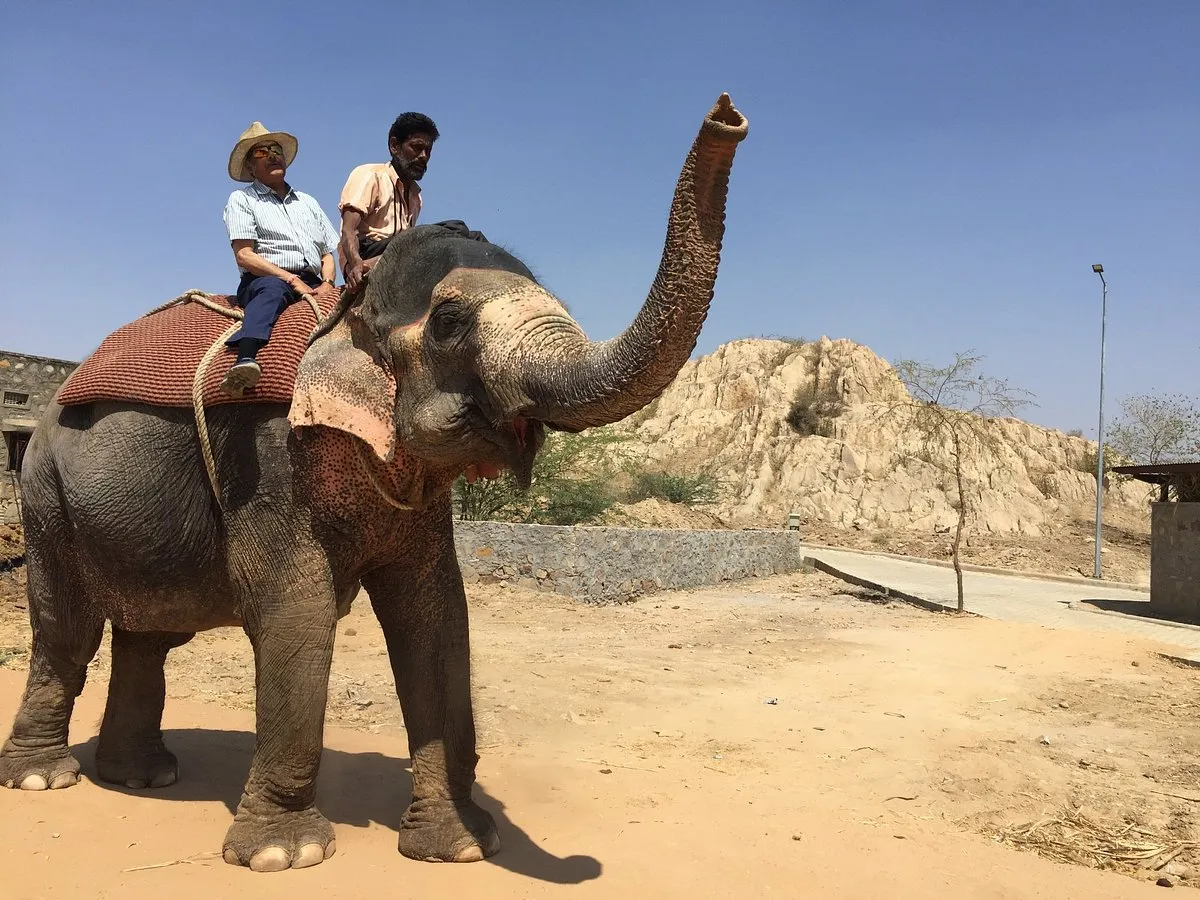
Enjoy elephant activity and photography movement with Elejungle.
💬 WhatsApp Now ✉️ Enquire NowWhich Region Is Best in July?
For greenery and monsoon scenery, choose Udaipur, Mount Abu, Kumbhalgarh, Ranakpur or Bundi. If your priority is forts, heritage and city sightseeing, Jaipur and Jodhpur are also good options.
Best Destinations to Visit Rajasthan in July
July brings a greener and calmer side of Rajasthan, especially across the Aravalli, Mewar and Hadoti regions. From lake cities and hill stations to forts surrounded by monsoon landscapes, these destinations offer some of the best experiences for a Rajasthan trip in July.
1. Udaipur – Best for Lakes and Monsoon Views
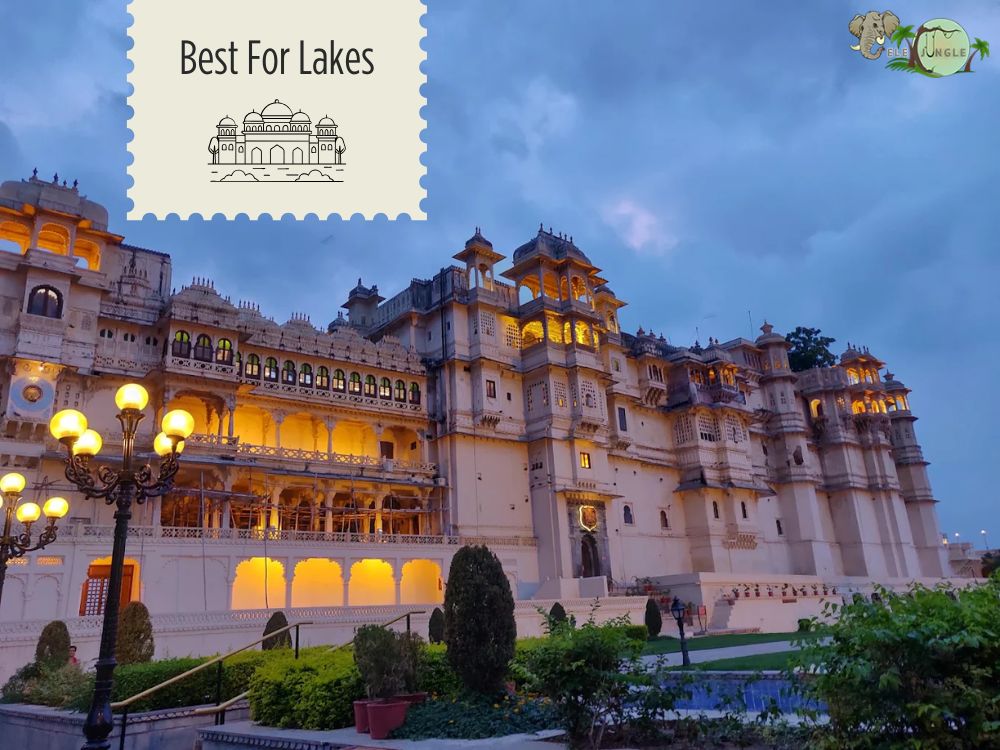
Udaipur in July is one of the best choices for travellers who want lakes, palaces and greener Aravalli scenery. The weather is warm and humid, usually around 25°C to 33°C, with intermittent monsoon showers.
Places to visit: City Palace, Lake Pichola, Fateh Sagar Lake, Sajjangarh Monsoon Palace, Jagdish Temple and Saheliyon Ki Bari.
How to reach: Maharana Pratap Airport at Dabok is around 25 km from the city. Udaipur also has good train and road connections with Jaipur, Delhi, Ahmedabad and other major cities.
Best transport in July: A cab or car is the most comfortable option between lakes, palaces and Sajjangarh. Autos work well inside the city.
Ideal stay: 2–3 days.
2. Mount Abu – Best Hill Station for July
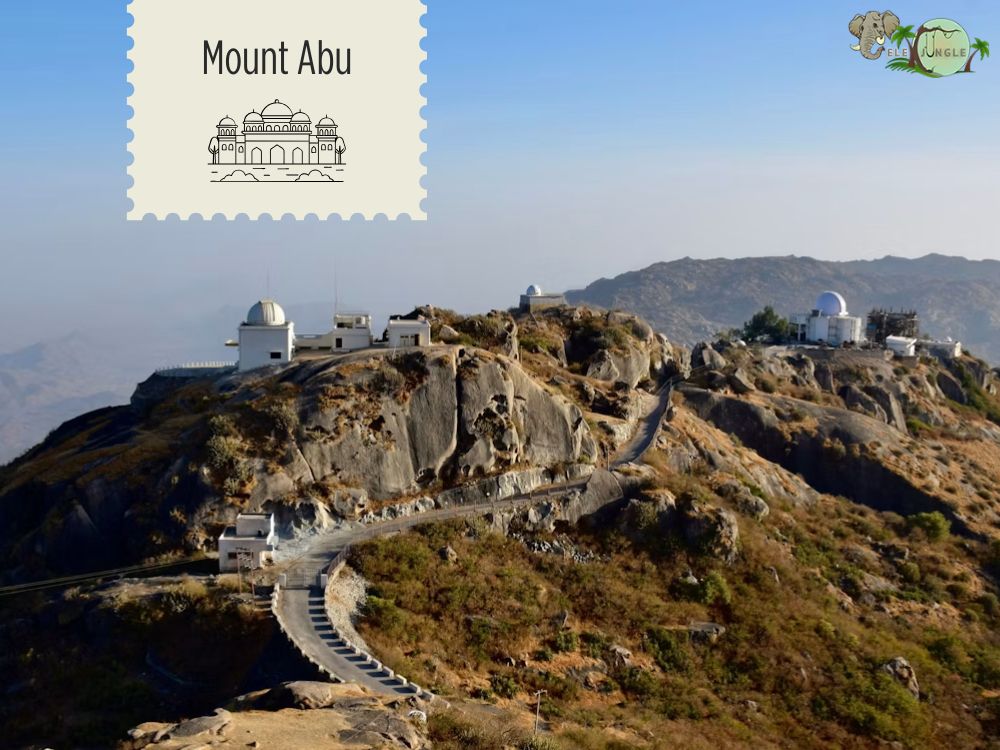
If you want cooler weather, misty hills and greenery, Mount Abu in July should be high on your list. July is one of its wetter months, with temperatures generally around 21°C to 29°C.
Places to visit: Nakki Lake, Dilwara Jain Temples, Guru Shikhar, Toad Rock and Sunset Point.
How to reach: Abu Road is the nearest railway station, around 28 km away. The nearest airport is Udaipur, while buses and taxis connect Mount Abu with major cities.
Best transport in July: Car or taxi is more comfortable on the hill roads. Avoid long bike rides during heavy rain or low visibility.
Ideal stay: 2 days.
3. Bundi – Best for Heritage and Monsoon Charm
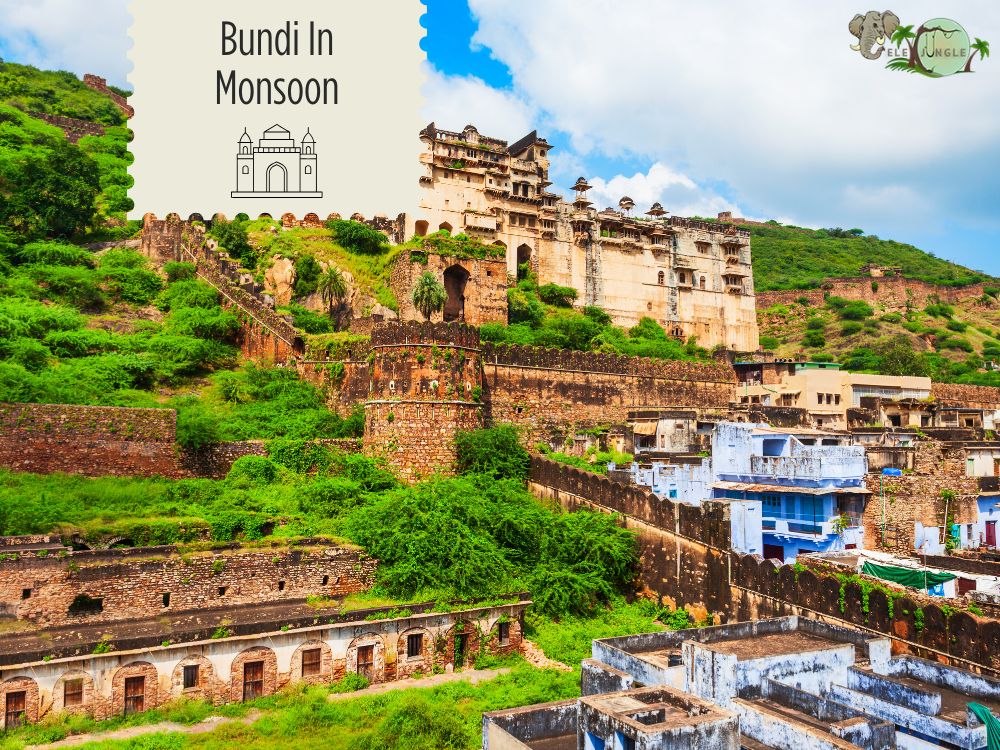
Bundi in monsoon feels quieter and greener than many of Rajasthan's larger tourist cities. July temperatures usually stay around 25°C to 33°C, with humid conditions and occasional rain.
Places to visit: Taragarh Fort, Garh Palace, Raniji Ki Baori, Sukh Mahal and Nawal Sagar Lake.
How to reach: Bundi has a railway station close to the old city and regular buses from Kota, Jaipur, Ajmer, Udaipur and Chittorgarh. Jaipur is the nearest major airport.
Best transport in July: Auto-rickshaws are convenient inside Bundi, while a cab or car is better for nearby attractions.
Ideal stay: 1–2 days.
4. Kumbhalgarh – Best for Forts and Green Aravalli Hills
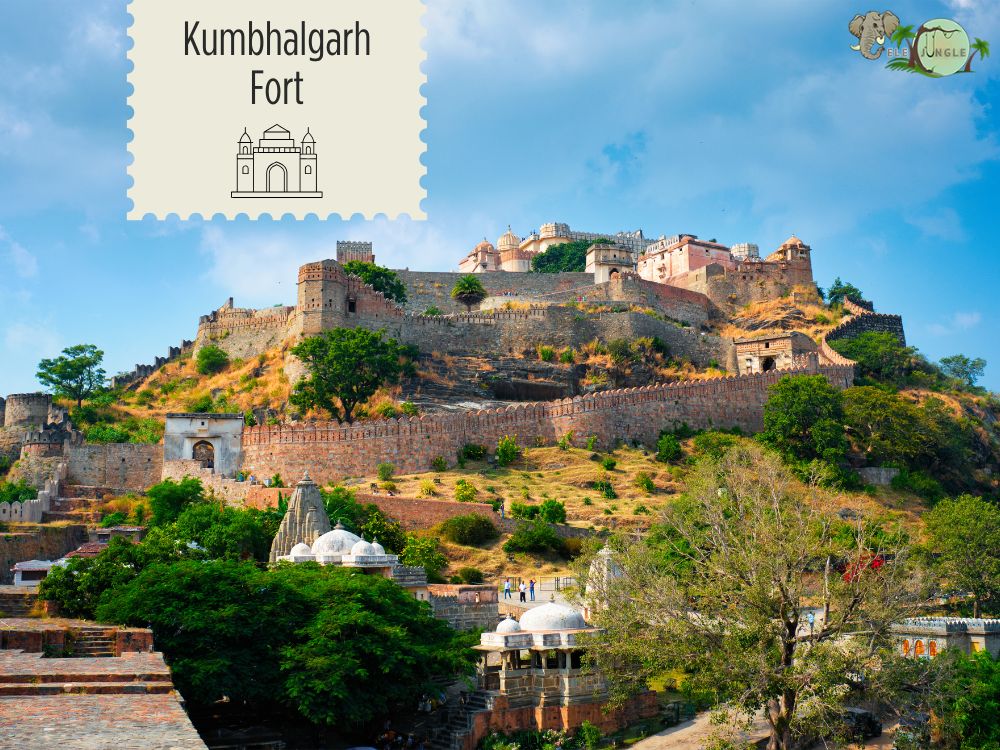
Kumbhalgarh in July offers one of Rajasthan's most impressive combinations of history and monsoon scenery. The surrounding Aravalli hills become noticeably greener, while temperatures generally remain around 23°C to 31°C.
Places to visit: Kumbhalgarh Fort, Badal Mahal, ancient temples, fort viewpoints and the surrounding Aravalli landscape.
How to reach: Kumbhalgarh is about 80–100 km from Udaipur, depending on the route. Udaipur is the most convenient airport and major railway gateway.
Best transport in July: A private car or taxi from Udaipur is the easiest option. Hill roads can become slippery after rain, so a bike is not the best choice during wet weather.
Ideal stay: 1–2 days.
5. Jaipur – Best for Forts, Culture and Easy Connectivity
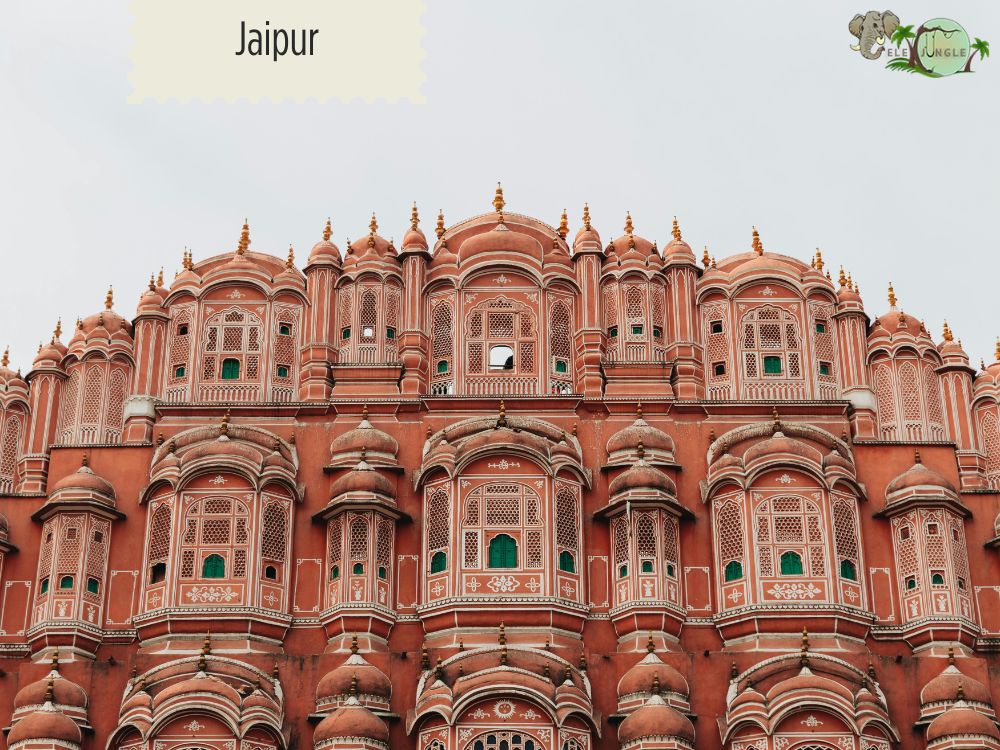
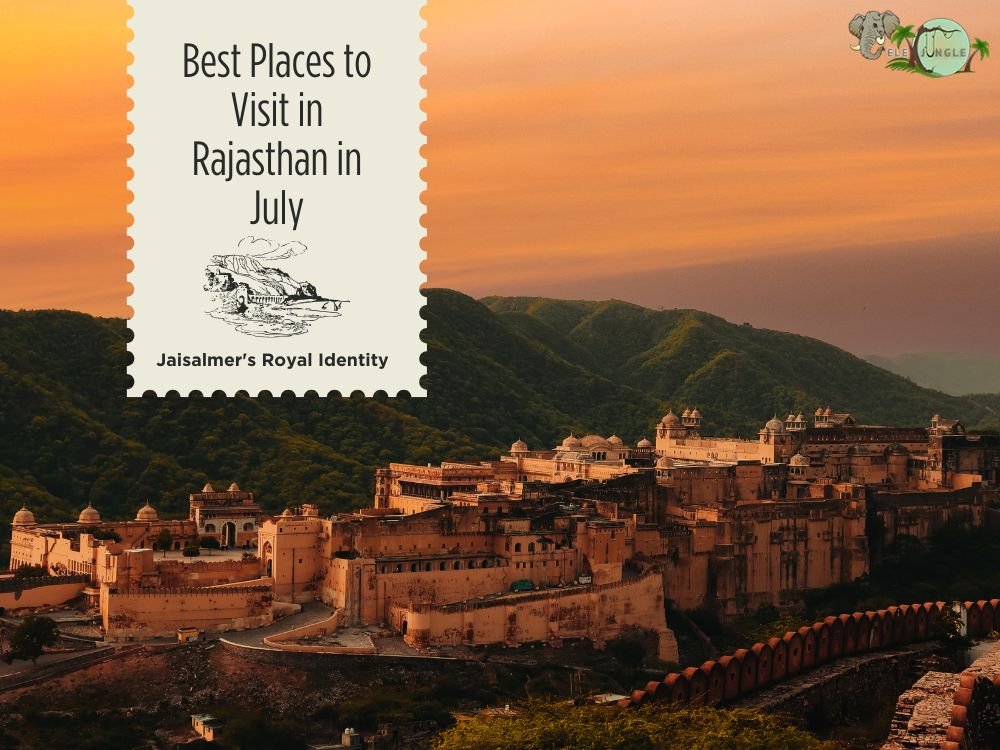
Jaipur in July remains warm and humid, with temperatures often around 26°C to 35°C, but monsoon showers can make the Aravalli hills around its forts look much greener.
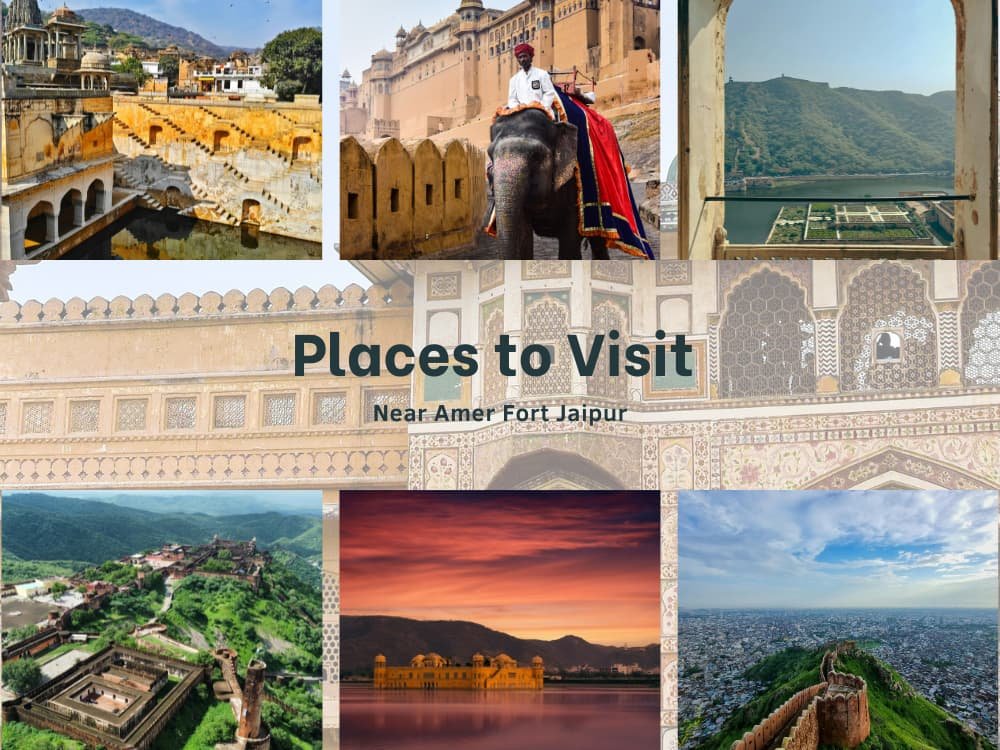
Places to visit: Amber Fort, City Palace, Hawa Mahal, Jantar Mantar, Jal Mahal and Nahargarh Fort.
How to reach: Jaipur has an international airport, a major railway station and excellent road connections with Delhi and other Rajasthan cities.
Best transport in July: A cab or AC car is the most comfortable choice, especially for Amber, Jaigarh and Nahargarh. Autos are practical for shorter city trips.
Ideal stay: 2–3 days.
6. Ranakpur – Best for Temples and Peaceful Monsoon Drives
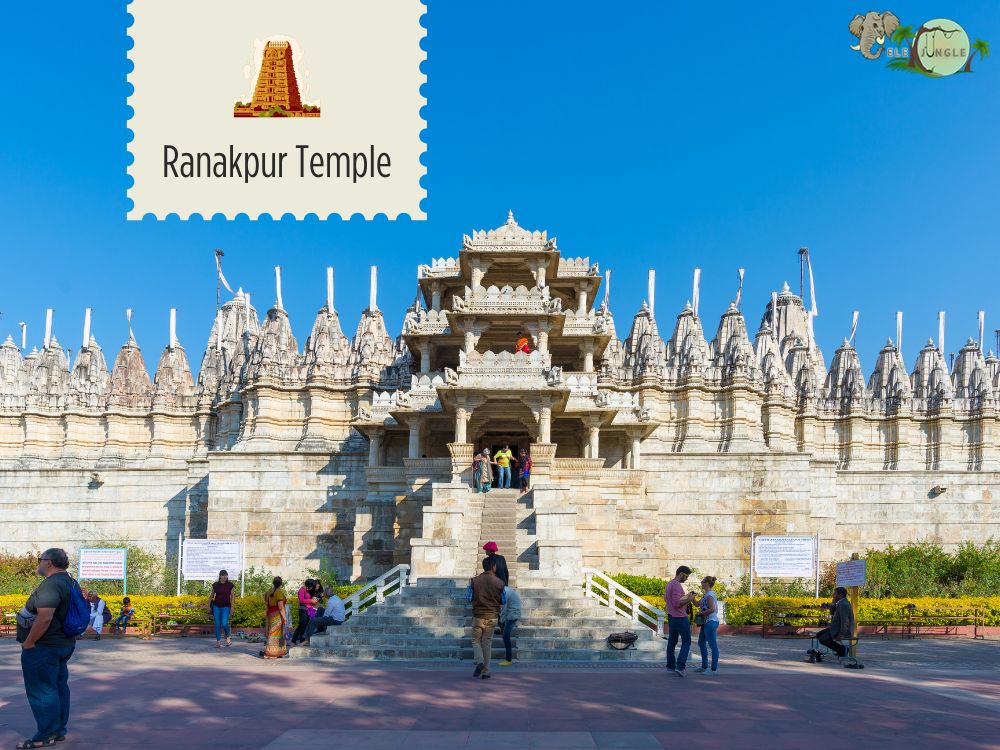
Surrounded by the Aravalli Hills, Ranakpur in July becomes greener and is ideal for travellers looking for a peaceful break away from busy cities. Expect warm, humid weather around 24°C to 32°C with occasional rain.
Places to visit: Ranakpur Jain Temple, Surya Narayan Temple and the surrounding valleys. Kumbhalgarh and Ghanerao can also be combined with the trip.
How to reach: Falna, around 35 km away, is a convenient railway station. Udaipur Airport is roughly 115 km away.
Best transport in July: Car or taxi is strongly recommended because attractions are spread across the Aravalli region.
Ideal stay: 1 day, or 2 days when combined with Kumbhalgarh.
7. Kota – Best for Chambal Views and Hadoti Landscapes
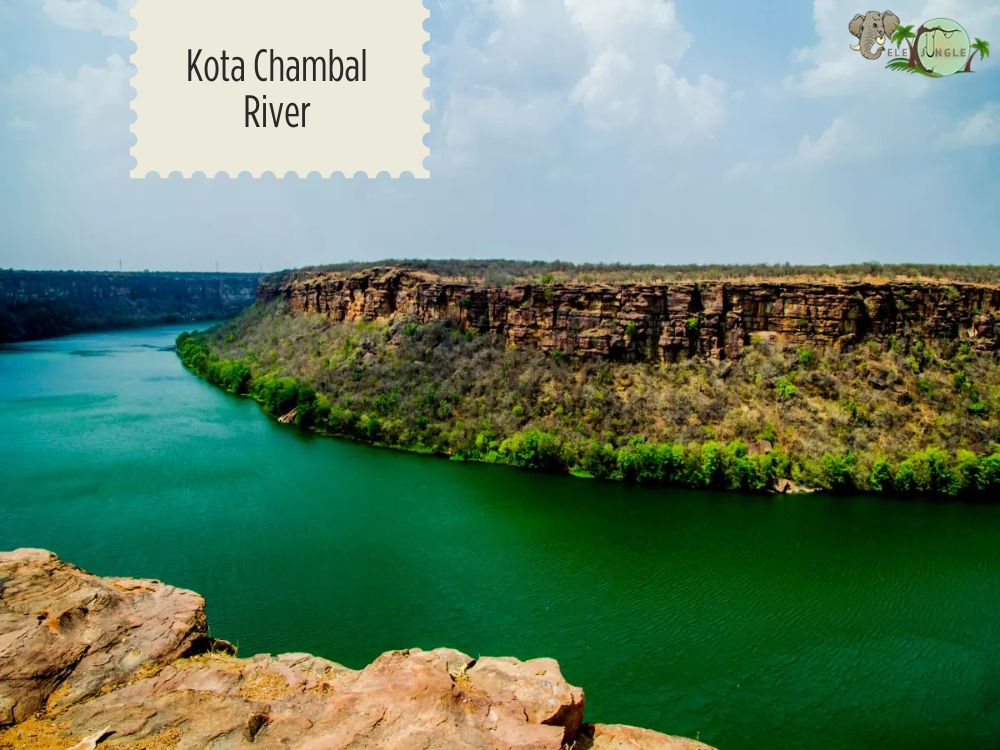
Kota in July is warm and humid, but the monsoon brings more greenery to the Chambal region. Temperatures generally stay around 26°C to 34°C.
Places to visit: Garadia Mahadev, Kota Garh or City Palace, Kishore Sagar, Jagmandir and Chambal-side attractions.
How to reach: Kota is one of Rajasthan's major railway junctions on the Delhi–Mumbai route. Regular buses also connect it with other Rajasthan cities.
Best transport in July: Autos and cabs work well inside Kota, but a car or taxi is recommended for Garadia Mahadev and places outside the city.
Ideal stay: 1–2 days.
8. Chittorgarh – Best for History and a Monsoon Fort Visit
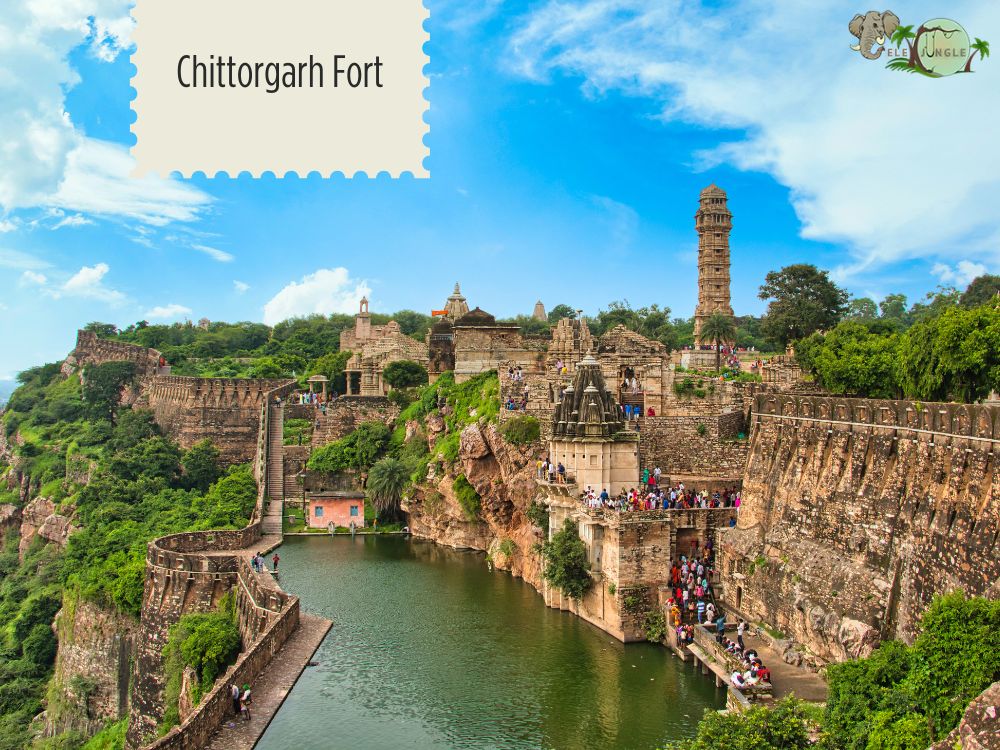
Chittorgarh in July combines Rajput history with greener surroundings and occasional monsoon showers. Temperatures are generally around 25°C to 33°C.
Places to visit: Chittorgarh Fort, Vijay Stambh, Kirti Stambh, Padmini Palace, Gaumukh Reservoir and the Light and Sound Show.
How to reach: Chittorgarh has good railway connections with Udaipur, Jaipur, Ajmer, Kota and Delhi. Maharana Pratap Airport in Udaipur is the nearest major airport.
Best transport in July: Use a car or taxi for the fort complex because it is large and spread across a hill. Wear shoes with good grip after rain.
Ideal stay: 1–2 days.
9. Banswara – Best for an Offbeat Green Rajasthan Experience
For travellers who want to see Rajasthan beyond the usual desert image, Banswara in monsoon is a strong July choice. Known as the City of Hundred Islands, the region becomes especially green around the Mahi River.
Places to visit: Mahi Dam, Anand Sagar Lake, Kagdi Pick Up Weir, Raj Mandir and nearby temples.
How to reach: Udaipur is the nearest major airport, around 185 km away, while Ratlam is the nearest major railway station at roughly 80 km.
Best transport in July: A private car or taxi is the most practical choice because many scenic attractions lie outside the main city.
Ideal stay: 2 days.
10. Jhalawar – Best Hidden Monsoon Destination
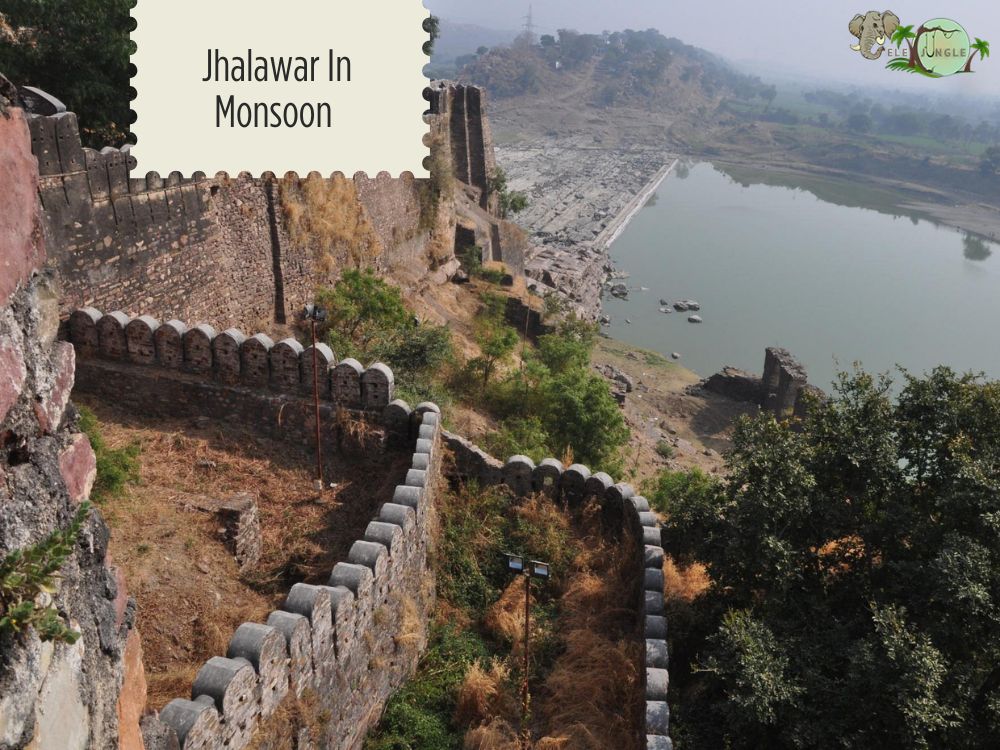
Jhalawar in July is one of Rajasthan's underrated monsoon destinations. Unlike the drier western part of the state, the Hadoti region has a greener, more water-rich landscape during the rainy season.
Places to visit: Gagron Fort, Garh Palace, Bhawani Natyashala, Jhalrapatan, Chandrabhaga temples and the Government Museum.
How to reach: Jhalawar is connected by road with Kota and other Rajasthan cities. Rail services connect the region with Kota, while Indore and Jaipur are the major airport options.
Best transport in July: A car is the best option if you want to combine Jhalawar, Gagron Fort and Jhalrapatan in one trip.
Ideal stay: 1–2 days.
Which Destination Should You Choose in July?
For lakes and romantic monsoon views, choose Udaipur. For cooler hill weather, Mount Abu is the better option. Bundi, Kota and Jhalawar are excellent for a quieter Hadoti experience, while Kumbhalgarh and Ranakpur are ideal for green Aravalli drives. Jaipur is the easiest choice for first-time travellers who want strong connectivity along with Rajasthan's famous forts and palaces.
EleJungle Home of the Gentle Giants
EleJungle isn’t just about elephants—it’s about experiencing India with heart. Alongside your interaction with these majestic animals, EleJungle offers handcrafted, immersive tours across Rajasthan and North India.
Whether you want to explore the Golden Triangle, enjoy a Sunset Elephant Safari, or combine heritage with wildlife via a Ranthambore tour, EleJungle makes it unforgettable. They also offer car rentals, city tours, and fully customizable travel plans—because they know one-size-never-fits-all.
Featured Tour Packages:
- Rajasthan Heritage Tour – 6N/7D
- Jaipur Sightseeing Tour – Full Day
- Jaipur Ranthambore Tour – 1 Day
- Golden Triangle Tour – 5N/6D
- Delhi Agra Day Trip – Customizable
Whether you're travelling solo, with your family, or looking for a romantic escape, EleJungle tailors your journey with care and authenticity.
Is Rajasthan Worth Visiting in July?
Yes, Rajasthan is worth visiting in July, especially if you prefer greener landscapes, fewer peak-season crowds and a slower travel experience. The monsoon lowers the intense summer heat, while Udaipur, Mount Abu, Bundi, Kumbhalgarh and other parts of the Aravalli and Hadoti regions become noticeably greener.
A Rajasthan trip in July works best for lakes, forts, hill drives, heritage sightseeing and photography. However, expect humidity and occasional rain, so keep your itinerary slightly flexible.
Best for: Couples, families, photographers, heritage lovers and travellers looking for a quieter monsoon getaway.
Places to Avoid in Rajasthan in July & Things to Know
You do not need to completely avoid any major Rajasthan destination, but some places are less suitable depending on what you want from the trip.
- Jaisalmer and far-west Rajasthan: Better for desert experiences than monsoon scenery. July can still feel hot and humid.
- Ranthambore: Do not plan a July trip only for a tiger safari. Monsoon restrictions apply to the main park zones, although some outer tourism zones may operate depending on Forest Department rules.
- Midday sightseeing: Jaipur, Jodhpur and other cities can still feel hot between late morning and afternoon. Start forts and outdoor sightseeing early.
- Hill roads: Kumbhalgarh, Mount Abu and Aravalli routes can be wet or slippery after rain. A car or taxi is more comfortable than a bike during uncertain weather.
- Fort pathways: Wear shoes with good grip, as stone steps can become slippery.
- Keep buffer time: Short but heavy showers can slow road travel, so avoid an overly packed itinerary.
Local tip: July is also a good time to enjoy Rajasthan's seasonal side—green Aravalli views, roadside chai during showers and monsoon-season sweets such as ghewar in Jaipur's old city.
5-Day Rajasthan Itinerary in July
For a short Rajasthan itinerary in July, Jaipur and Udaipur make a practical combination, with a day trip into the Aravalli Hills.
Day 1 – Jaipur: Old City & Heritage
Visit City Palace, Jantar Mantar and Hawa Mahal. Later, walk through the old city around Johari Bazaar and Bapu Bazaar for jewellery, textiles, mojari and local handicrafts.
Local experience: Try seasonal ghewar and traditional Rajasthani snacks.
Day 2 – Jaipur: Forts & Aravalli Views
Start early with Amber Fort, followed by Jaigarh or Jal Mahal. Visit Nahargarh Fort later in the day for greener monsoon views over Jaipur.
Travel by cab or AC car for a more comfortable July sightseeing experience.
Day 3 – Jaipur to Udaipur
Travel to Udaipur by flight, train or an early road journey. After check-in, explore City Palace, Jagdish Temple and Lake Pichola.
Spend the evening around the old city or Hathi Pol Market for handicrafts, paintings and traditional products.
Day 4 – Udaipur in Monsoon
Visit Fateh Sagar Lake, Saheliyon Ki Bari and Sajjangarh Monsoon Palace. The drive towards Sajjangarh is especially scenic when the surrounding Aravalli hills turn green.
Keep the evening relaxed around Lake Pichola or the old city.
Day 5 – Kumbhalgarh & Ranakpur
Take a private car from Udaipur for a day trip to Ranakpur Jain Temple and Kumbhalgarh Fort.
The route through the Aravalli Hills is one of the highlights of a Rajasthan monsoon trip. Return to Udaipur in the evening or continue your onward journey.
FAQs About Visiting Rajasthan in July
1. Is July a good time to visit Rajasthan?
Yes. July is a good time for travellers who enjoy greenery, heritage sites and fewer peak-season crowds. Udaipur, Mount Abu, Bundi and Kumbhalgarh are especially attractive during the monsoon.
2. What are the best places to visit in Rajasthan in July?
Some of the best places to visit in Rajasthan in July are Udaipur, Mount Abu, Bundi, Kumbhalgarh, Ranakpur, Jaipur, Kota and Chittorgarh. For greener scenery, focus more on the Aravalli, Mewar and Hadoti regions.
3. What is the Rajasthan weather in July like?
Rajasthan weather in July is generally warm and humid, with monsoon showers. Across the broader monsoon season, temperatures are usually around 21°C to 35°C, although conditions vary considerably by city and region.
4. Does it rain every day in Rajasthan in July?
No. Rajasthan usually receives rain in spells rather than continuous rainfall throughout every day. Southern and southeastern Rajasthan generally receive more monsoon rain than the western desert region.
5. Is Udaipur worth visiting in July?
Yes. Udaipur in July is one of the strongest monsoon choices because the Aravalli surroundings become greener and attractions such as Fateh Sagar Lake and Sajjangarh Monsoon Palace suit the season particularly well.
6. Is Jaipur good to visit in July?
Yes. Jaipur remains easy to explore in July because most major attractions stay accessible. Plan Amber Fort and other outdoor sights in the morning, and keep museums, markets and City Palace for warmer or rainy hours.
7. Is Jaisalmer worth visiting in July?
You can visit Jaisalmer in July, but it is not the first choice for travellers searching for the best places to visit in monsoon in Rajasthan. Western Rajasthan remains comparatively dry and warmer, so Udaipur, Mount Abu or Bundi offer a stronger monsoon experience.
8. Is Ranthambore open in July?
Ranthambore has monsoon restrictions from July to September. The main national park tourism zones close during this period, while some outer zones may remain available. Always check the latest Rajasthan Forest Department safari status before booking.
9. What should you pack for Rajasthan in July?
Carry light cotton or quick-dry clothes, comfortable shoes with good grip, an umbrella or light rain jacket, sunscreen and a small waterproof cover for electronics. For intercity travel, an AC car or train is generally more comfortable than long-distance bike travel during July.
Let's Visit the Farm
We are delighted that you reached here.
Please share your queries with us regarding the booking slots.